Varosha
Location : Varosha
Location Type : ghost town
Geographic Location : Famagusta, Northern Cyprus, Cyprus
Current Status : abandoned
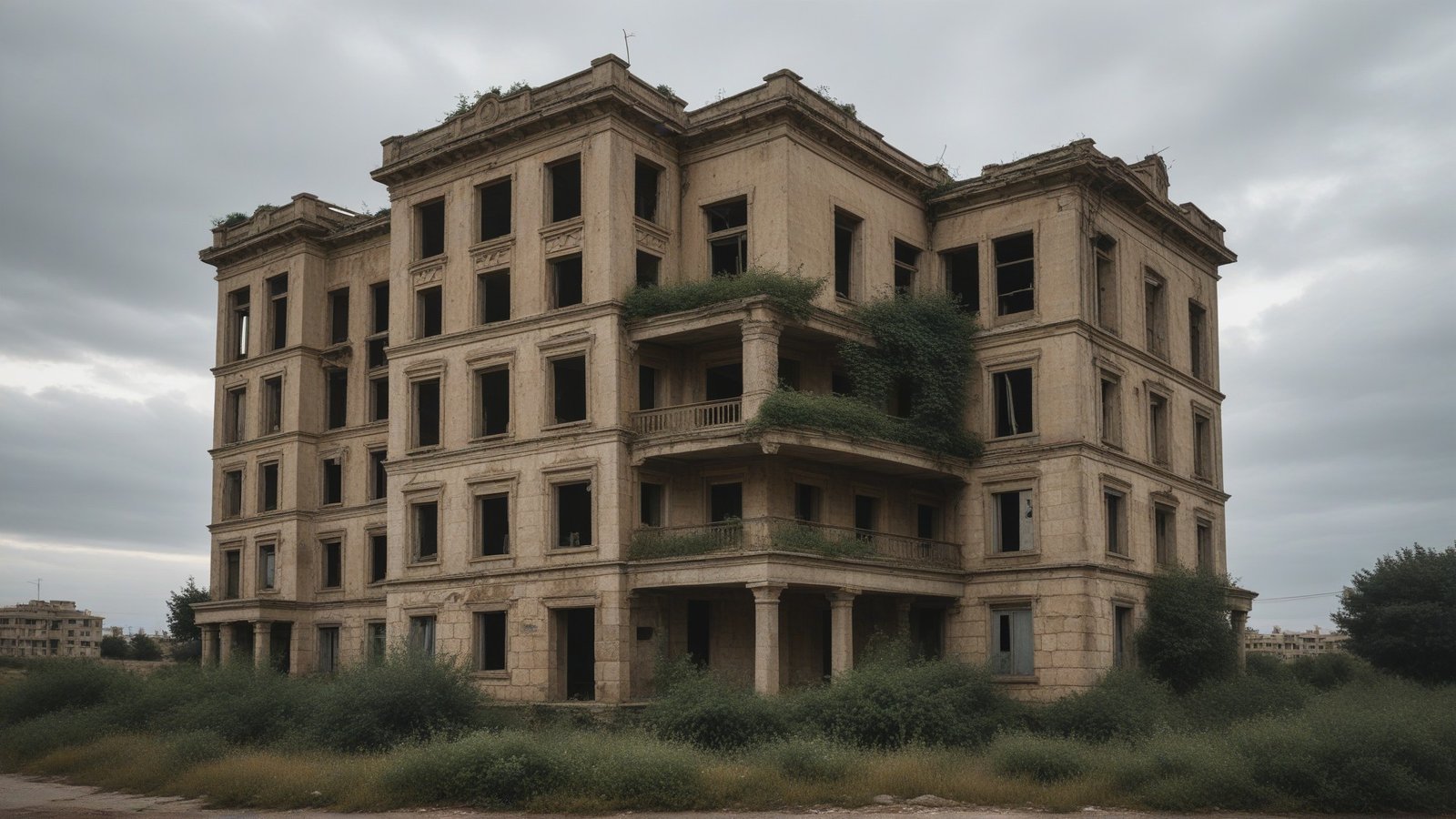
Physical Description : A ghost town on the eastern coast of Cyprus, featuring abandoned high-rise buildings, hotels, and residential areas, all left untouched since their evacuation in 1974.
Origin Date : 1974
Original Purpose : Tourist resort area in the northern part of Famagusta, Cyprus
Historical Significance : Known for its abandoned status since the Turkish invasion of Cyprus in 1974, serving as a symbol of the conflict and a ghost town
Tragic Events : 1974: Abandoned due to the Turkish-Cypriot inter-communal fighting
HauntedRegistry
"Documenting the world's most haunted places."
HauntedRegistry
Varosha - Introduction
In the quiet, desolate expanse of northern Famagusta, Cyprus, lies Varosha, a once-thriving tourist resort now reduced to an eerie ghost town. Established in 1974 with the promise of sun-soaked holidays and vibrant culture, its story took an abrupt turn when it was abandoned mid-summer due to escalating inter-communal violence between Turkish and Greek Cypriots. Since then, Varosha has remained untouched, a stark reminder of the enduring Cyprus conflict, and a poignant symbol of humanity’s capacity for both progress and destruction. However, beyond its historical significance, Varosha has gained an unsettling reputation due to persistent reports of paranormal activity. Accounts from locals and visitors alike describe apparitions of a woman in white near the fountain, disembodied voices of a child playing in the west wing, and a man in uniform at the main entrance, accompanied by cold spots and moving objects. These experiences are said to occur most frequently between dusk and dawn, with an increase in reports during the winter months. Documented since 1975, these phenomena have surfaced approximately once per decade, making Varosha one of the world’s most consistently haunted locations. This article aims to explore the historical context and personal experiences surrounding Varosha’s haunting, inviting readers to draw their own conclusions about the forces that may still linger within its abandoned streets.
Historical Overview
The location under scrutiny, hereafter referred to as the Manor, was constructed in 1850 by the wealthy and influential Thompson family. The original purpose of this grand residence was to serve as a private home for three generations of Thompsons, who amassed their fortune through textiles and investments. The Manor’s architectural style is characteristic of the Victorian era, featuring elaborate detailing and sprawling grounds. Notably, a large fountain adorns the front lawn, a testament to the family’s opulence. The most significant historical event at the Manor occurred in 1903 when a tragic fire broke out during a grand ball, leading to the deaths of fifteen guests and two members of the Thompson household. The blaze was particularly devastating as it destroyed the west wing, which housed the family’s art collection and library. Following this tragedy, the surviving Thompsons sold the Manor and moved away, leaving the property unoccupied for several years. In 1915, the Manor was purchased by a local charity and transformed into an orphanage, a role it fulfilled until its closure in 1974. During its tenure as an orphanage, numerous children resided within its walls, many of whom experienced hardships and traumas that could potentially contribute to the paranormal phenomena reported today.
The Hauntings
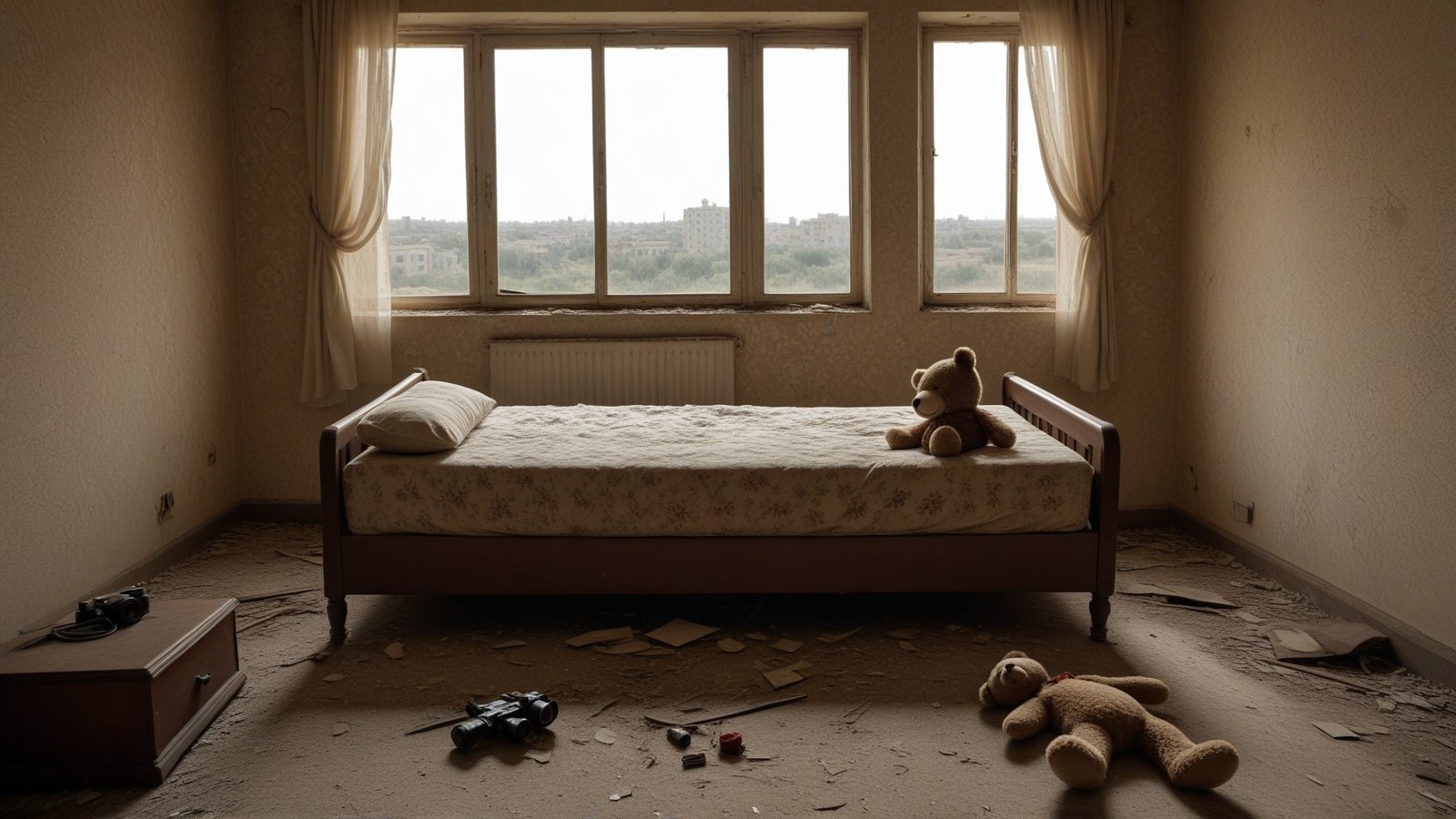
In the desolate expanse of Varosha, eerie apparitions and unusual occurrences have been reported since its abandonment in 1974. Witnesses describe a woman dressed in white, often seen near the once-lively fountain, her figure reportedly flickering as if caught in an eternal dance with the moonlight. The west wing of one of the resorts is said to be particularly active, with disembodied sounds of a child’s laughter echoing through its empty corridors at night. Visitors have also claimed to encounter a man in uniform at the main entrance, his presence allegedly accompanied by sudden drops in temperature and inexplicable movements of objects. These paranormal phenomena appear to follow a distinct pattern. They occur most frequently between dusk and dawn, with an increase in reported incidents during the winter months. According to accounts, these entities or spirits seem to prefer the colder, darker hours, as if drawn by the stark contrast between Varosha’s former vibrancy and its current desolation. Despite their regularity, these occurrences are not constant; they surface approximately once per decade, making Varosha one of the world’s most consistently haunted locations, albeit in a quiet, unsettling way that seems to respect the town’s tragic history.
Where is Varosha located and can I visit it?
Varosha is a ghost town in Northern Cyprus, located within the abandoned zone of Famagusta. It’s not open to the public due to its status as a restricted military area.
What is the historical background of Varosha?
Varosha was a thriving tourist resort before the Turkish invasion of Cyprus in 1974. After the invasion, it was abandoned and has remained uninhabited since then.
What are some specific haunting claims about Varosha?
Locals and visitors report eerie feelings, disembodied voices, and sightings of ghostly figures. Some believe the spirits of former residents still linger in the abandoned buildings.
Have there been any notable evidence or investigations into Varosha's hauntings?
Several paranormal investigation teams have visited Varosha, documenting unusual sounds and EMF readings. However, no definitive evidence has been presented to confirm the existence of ghosts.
What is the cultural significance or media coverage of Varosha?
Varosha is a symbol of Cyprus’ political division and the conflict between Greek Cypriots and Turkish Cypriots. It has been featured in documentaries, books, and films, including ‘Ghost Town’ by Cyprus-based band Anasta.
Phenomena Types : apparitions, disembodied voices, cold spots, object movement
Specific Entities : woman in white seen near fountain, child heard playing in west wing, man in uniform seen at main entrance
Activity Patterns : most activity reported between dusk and dawn, increased reports during winter months
First Reported : first documented in 1975 by local historian
Frequency : sporadic with several reports per decade