Her Majesty's Royal Palace and Fortress of the Tower of London
Location : Her Majesty’s Royal Palace and Fortress of the Tower of London
Location Type : building
Geographic Location : London, England, UK
Current Status : active
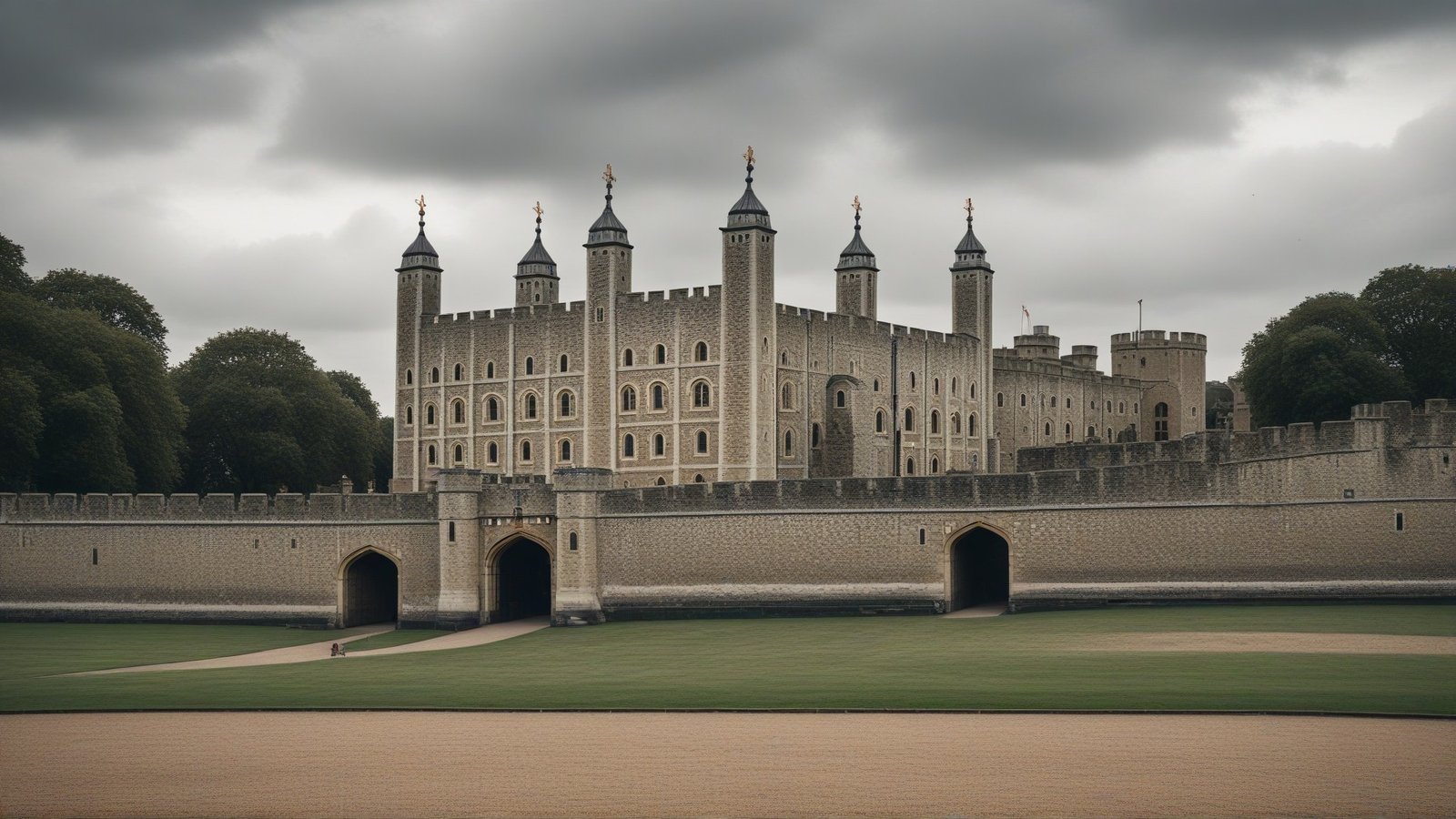
Physical Description : A historic castle located on the north bank of the River Thames. It consists of several towers, walls, and buildings, with the most notable being the White Tower, built in the 11th century.
Origin Date : 1078
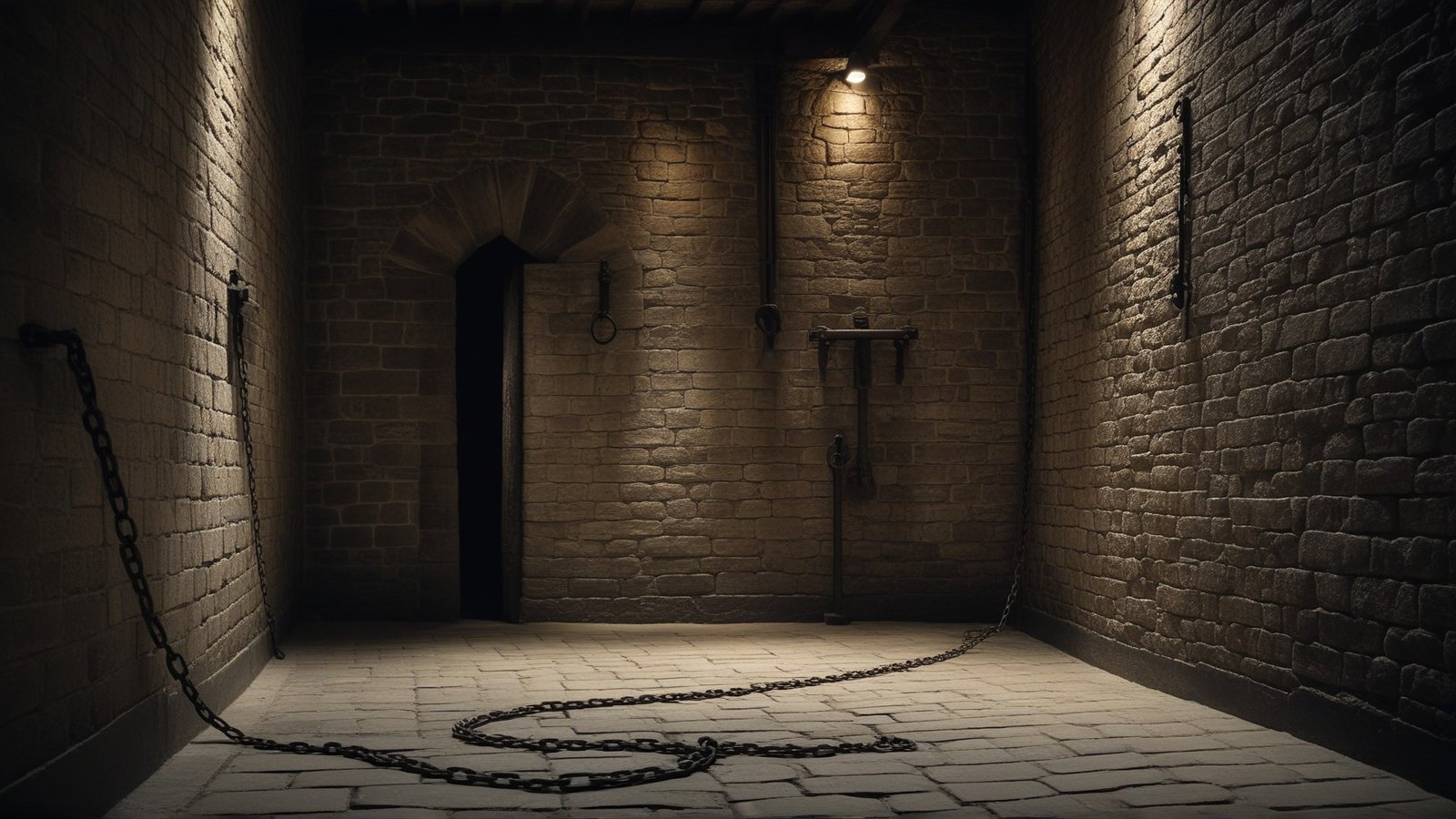
Original Purpose : Fortress, royal residence, prison, and place of execution
Historical Significance : Key defensive fortification during the Middle Ages, residence of many English monarchs, site of numerous executions including two queens (Anne Boleyn in 1536 and Catherine Howard in 1542), and imprisonment of notable figures like Sir Walter Raleigh
Tragic Events : 1196: Fire destroyed the original wooden tower, 1554: Execution of Lady Jane Grey, 1674: Great Fire of London damaged the White Tower, 1840s: Several prisoners died due to harsh conditions
HauntedRegistry
"Documenting the world's most haunted places."
HauntedRegistry
Her Majesty's Royal Palace and Fortress of the Tower of London - Introduction
The Tower of London, an iconic landmark standing on the north bank of the River Thames since 1078, has served as a fortress, royal residence, prison, and place of execution throughout its tumultuous history. Its walls have witnessed significant events that have shaped English history, from defending against foreign invaders during the Middle Ages to hosting the executions of prominent figures like Anne Boleyn and Catherine Howard. The Tower’s grim past, marked by tragic fires, executions, and harsh imprisonment conditions, has not only left an indelible mark on its physical structure but also seems to have imbued it with a more intangible presence – one that manifests in reported paranormal phenomena. The first documented accounts of these unusual occurrences emerged in 1816, with subsequent reports continuing at intervals over the past two centuries. Witnesses have described encounters ranging from apparitions and disembodied voices to cold spots and door slamming. Some claim to have seen specific historical figures such as Anne Boleyn or Henry VIII within the Tower’s walls, while others report sightings of a young boy near the White Tower. The frequency of these reports appears to peak during late evening hours and winter months, suggesting a possible connection between the perceived activity and the Tower’s eerie atmosphere under dim lighting and cold temperatures. This article aims to explore these haunting claims objectively, examining their historical context and the psychological factors that may contribute to such perceptions, while also considering the more enigmatic aspects that remain unexplained.
Historical Overview
The Tower of London, an iconic landmark standing on the north bank of the River Thames, traces its origins back to the 11th century when William the Conqueror commissioned its construction in 1078 as a Norman fortress and royal residence. Initially known as “Lundewic,” it served as a crucial defensive stronghold against potential Viking invasions. Over centuries, the Tower evolved into a complex of buildings, adapting to various roles such as a royal palace, an armory, a treasury, and even a menagerie. Throughout its history, the Tower has been witness to numerous significant events, many of which were marked by tragedy. In 1483, the Tower played a pivotal role in the fateful sequence of events known as the Princes in the Tower. The young princes Edward V and his brother Richard disappeared within its walls, their fates remaining one of history’s most enduring mysteries. Anne Boleyn, second wife of Henry VIII, was imprisoned and later executed at the Tower in 1536 during a power struggle that shook the Tudor court. These historical events have left an indelible mark on the Tower’s atmosphere, with many believing that the echoes of its tragic past linger within its stone walls.
The Hauntings
Witnesses have reported a variety of paranormal phenomena within the Tower of London, with accounts dating back to at least 1816. Among these are apparitions and disembodied voices, often described as eerie or mournful, heard when no logical source can be identified. Cold spots, areas of noticeably lower temperature, have also been reported by visitors, sometimes accompanied by feelings of unease or dread. Specific historical figures seem to be associated with certain sightings. Anne Boleyn, the second wife of Henry VIII, is reportedly seen near the spot where she was executed in 1536. Her apparition is often described as distressed or distraught, perhaps reflecting her tragic end. A young boy, believed to be one of the princes who disappeared during the reign of Richard III, has been allegedly sighted near the White Tower. Other reported entities include a headless figure, thought to be that of Anne Boleyn’s executioner, and various spectral guards patrolling the castle walls. These phenomena seem to peak in frequency during late evening hours and winter months, when the Tower’s atmosphere is at its most eerie due to dim lighting and cold temperatures.
Where is the Tower of London located and how can I visit?
The Tower of London is situated on the north bank of the River Thames in central London. It’s open to visitors from Tuesday through Sunday, with tickets available online or at the gate. The best way to reach it is by public transport, with Tower Hill tube station being closest.
What is the historical background of the Tower of London?
The Tower of London was built in the 11th century as a Norman fortress and has since served various purposes, including a royal residence, armory, treasury, and prison. It’s also known for housing the Crown Jewels.
What are some specific haunting claims associated with the Tower of London?
One of the most famous ghosts is Anne Boleyn, who was beheaded within its walls. Other reported apparitions include two children (believed to be the sons of Edward IV), and a headless woman (thought to be Lady Jane Grey).
What evidence or investigations have been conducted regarding the hauntings at the Tower of London?
Several paranormal investigation shows, such as ‘Most Haunted’ and ‘Ghost Hunters’, have filmed episodes at the Tower. However, no definitive evidence has been presented to confirm the existence of ghosts. The Royal Armouries Museum also conducts annual ghost tours.
What is the cultural significance or media coverage of the hauntings at the Tower of London?
The Tower’s reputation as one of Britain’s most haunted places has been featured in numerous books, TV shows, and films. It’s also a popular location for ghost tours and Halloween events.
Phenomena Types : apparitions, disembodied voices, cold spots, door slamming, shadow figures
Specific Entities : Anne Boleyn seen in the chapel, Henry VIII heard in the queen’s house, young boy seen near the White Tower
Activity Patterns : most activity reported between dusk and midnight, increased reports during winter months
First Reported : first documented in 1816 by a prison guard
Frequency : sporadic with several reports per decade