Onryo

Revenge is a dish best served cold... or in this case, from beyond the grave.

Onryo – Data


  • Urban Legend Name: Onryo
  • Origin Location: Japan
  • First Mention Year: Unknown
  • Peak Popularity: 19th century – present
  • Type: Ghost

Onryo - Story


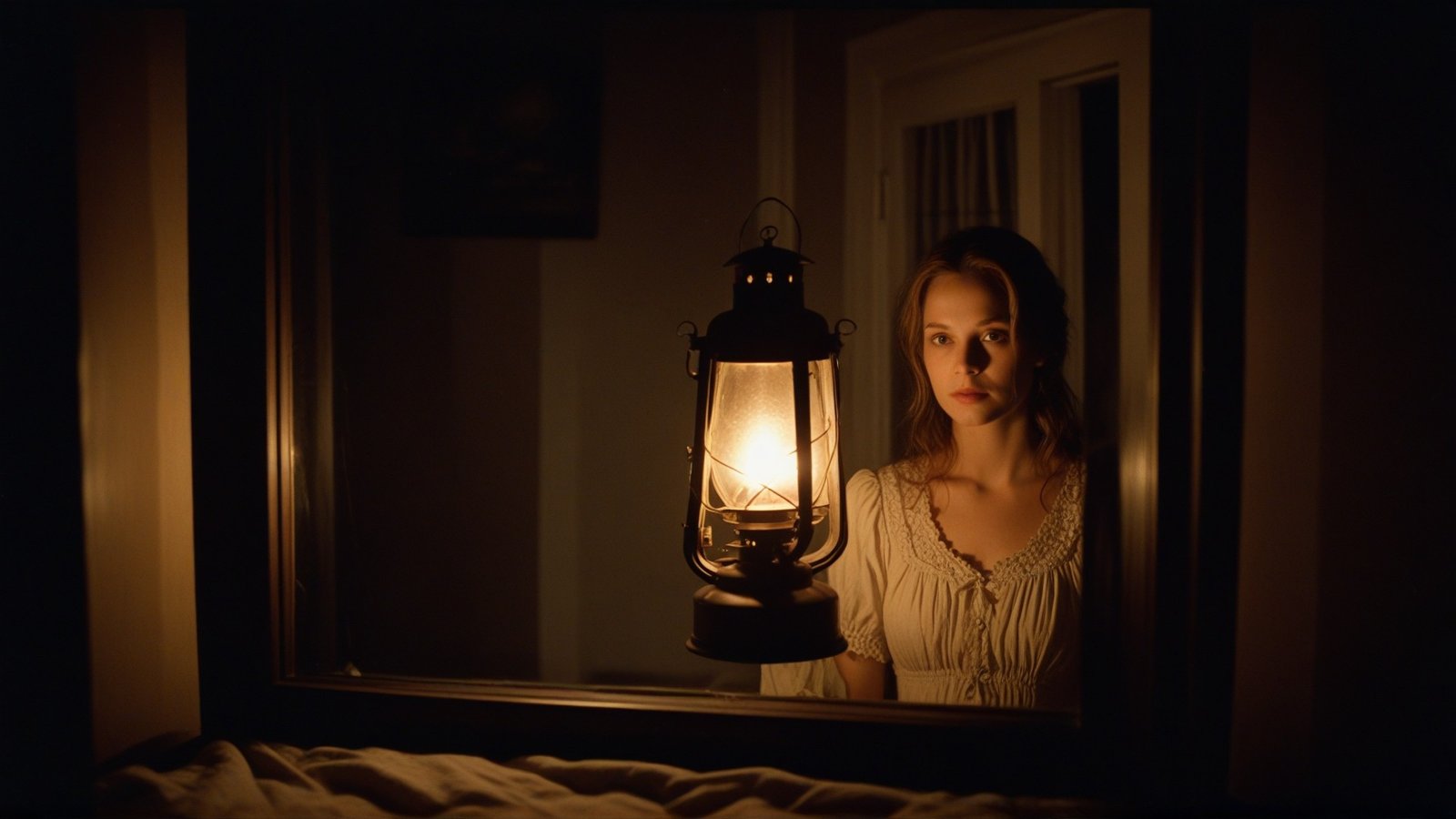
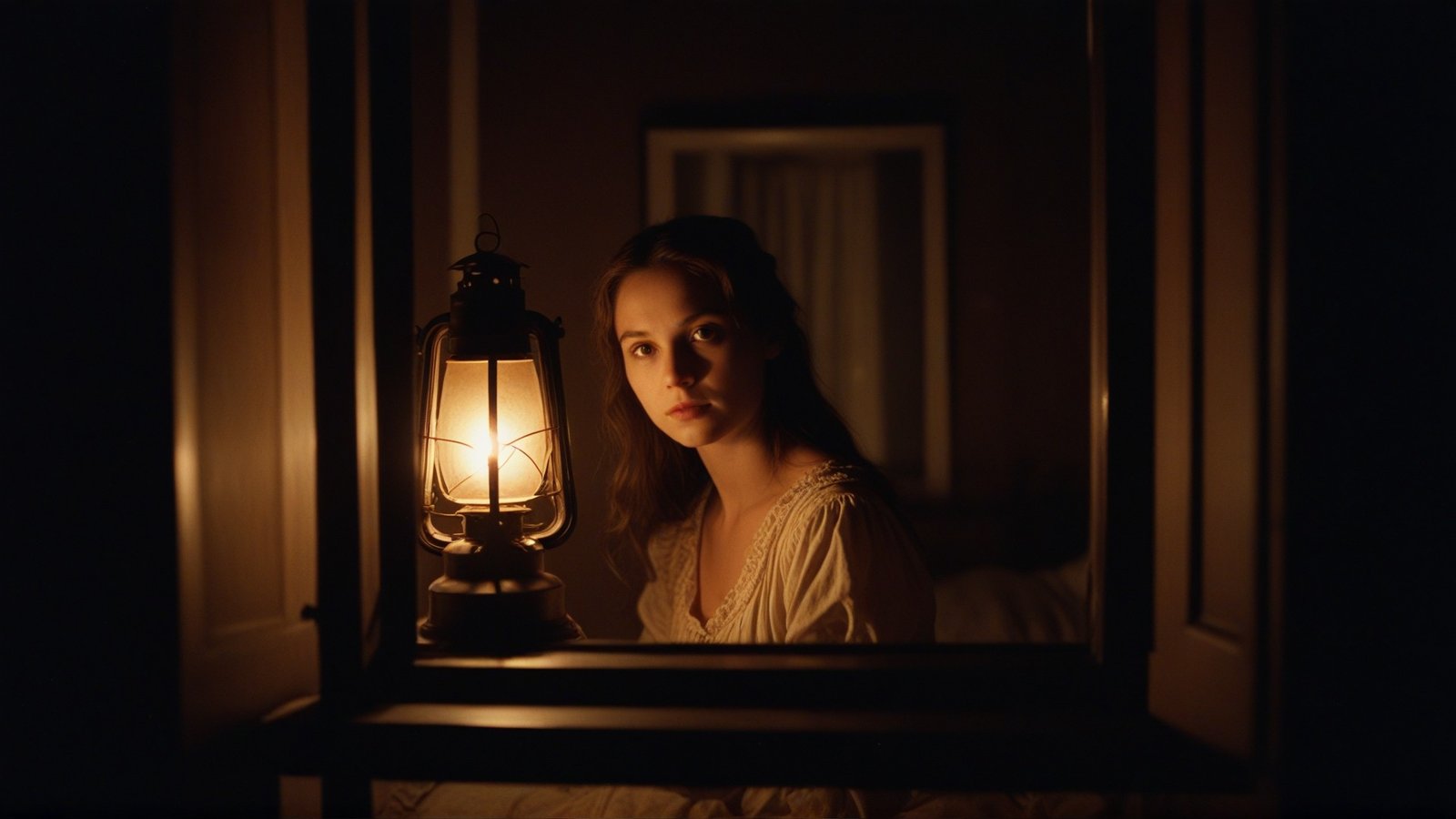
In the quaint, lantern-lit streets of Edo, sometime in the late 19th century, lived O-Kiku, a woman of quiet beauty and gentle spirit. Her world was upended when Lord Matsui, a powerful daimyo, took a fancy to her. Despite her protests, she was forced into his household, subjected to unspeakable indignities. One cold night, her spirit broken, O-Kiku took her own life. Years passed, but whispers of a vengeful onryo echoed through the alleys. It began with Lord Matsui’s youngest concubine, who woke each night to the sensation of icy fingers trailing her spine. She saw O-Kiku’s reflection in her looking glass, long black hair obscuring her face. The concubine’s health declined rapidly; she was found one morning, lifeless, a cruel smile frozen on her lips. Next was Lord Matsui himself. He woke to the scent of cherry blossoms, O-Kiku’s favorite, filling his bedchamber. A chilling breeze extinguished his lamp, and in the darkness, he felt her breath on his ear, whispering, “You wronged me.” The lord was found the next dawn, eyes wide with terror, heart stopped. The city trembled under the weight of these misfortunes. O-Kiku’s spirit had returned, vengeance her sole purpose. She moved through the night, a specter of retribution, her long black hair swaying like a banner in the wind. The onryo’s reign of terror was just beginning, a chilling reminder that some wrongs could never be righted, only avenged.

Origin

Here’s what we know about the Onryo legend. Originating from Japan, its earliest mentions are lost to time, but it gained significant popularity during the 19th century and continues to be widely known today. The core narrative involves a wronged or murdered woman returning as an Onryo, a vengeful female ghost, to exact revenge on those who harmed her in life. What makes this legend spread is its consistent portrayal of female agency and vengeance. From a folklore perspective, it’s intriguing how the Onryo reflects cultural anxieties about power dynamics between men and women. The legend serves as a cautionary tale, warning of the consequences of wrongdoing and the enduring spirit of those seeking retribution from beyond the grave. There are patterns worth noting too. The Onryo is often depicted as a beautiful woman with long black hair, a visual motif common in Japanese folklore. Despite its popularity, there’s no known primary source for when or where this legend first emerged, leaving room for speculation about its exact origins and earliest versions. In terms of cultural context, the Onryo legend is deeply rooted in traditional beliefs about ghosts and spirits in Japan. It continues to captivate audiences today, resonating with our desire for justice and retribution, even if it’s served cold… or from beyond the grave.

Media Presence of Onryo

Faq about Onryo

Title: N/A

Author: N/A

Year: N/A

Movie: The Grudge (2004) Year: 2004

Name: Supernatural

Episode: Dead Man’s Blood

Year: 2006

No, the Onryo is a fictional character from Japanese folklore and has no basis in reality.

The Onryo legend originates from Japan and is deeply rooted in Japanese folklore, influenced by traditional beliefs about ghosts and spirits.

The exact origin of the Onryo legend is unknown, but it has been a part of Japanese folklore for centuries.

The Tale of the Bamboo Cutter’ (9th century) and ‘Kwaidan: Stories and Studies of Strange Things’ by Lafcadio Hearn (1904)

No, the Onryo is a fictional character and there are no verified incidents or victims.