La Llorona

Her wails echo through the night, a chilling reminder of her eternal sorrow.

La Llorona – Data


  • Urban Legend Name: La Llorona
  • Origin Location: Mesoamerica, later spread throughout Latin America and the United States
  • First Mention Year: Unknown (originated in pre-Columbian Mesoamerica)
  • Peak Popularity: 16th-19th centuries
  • Type: Ghost

La Llorona - Story


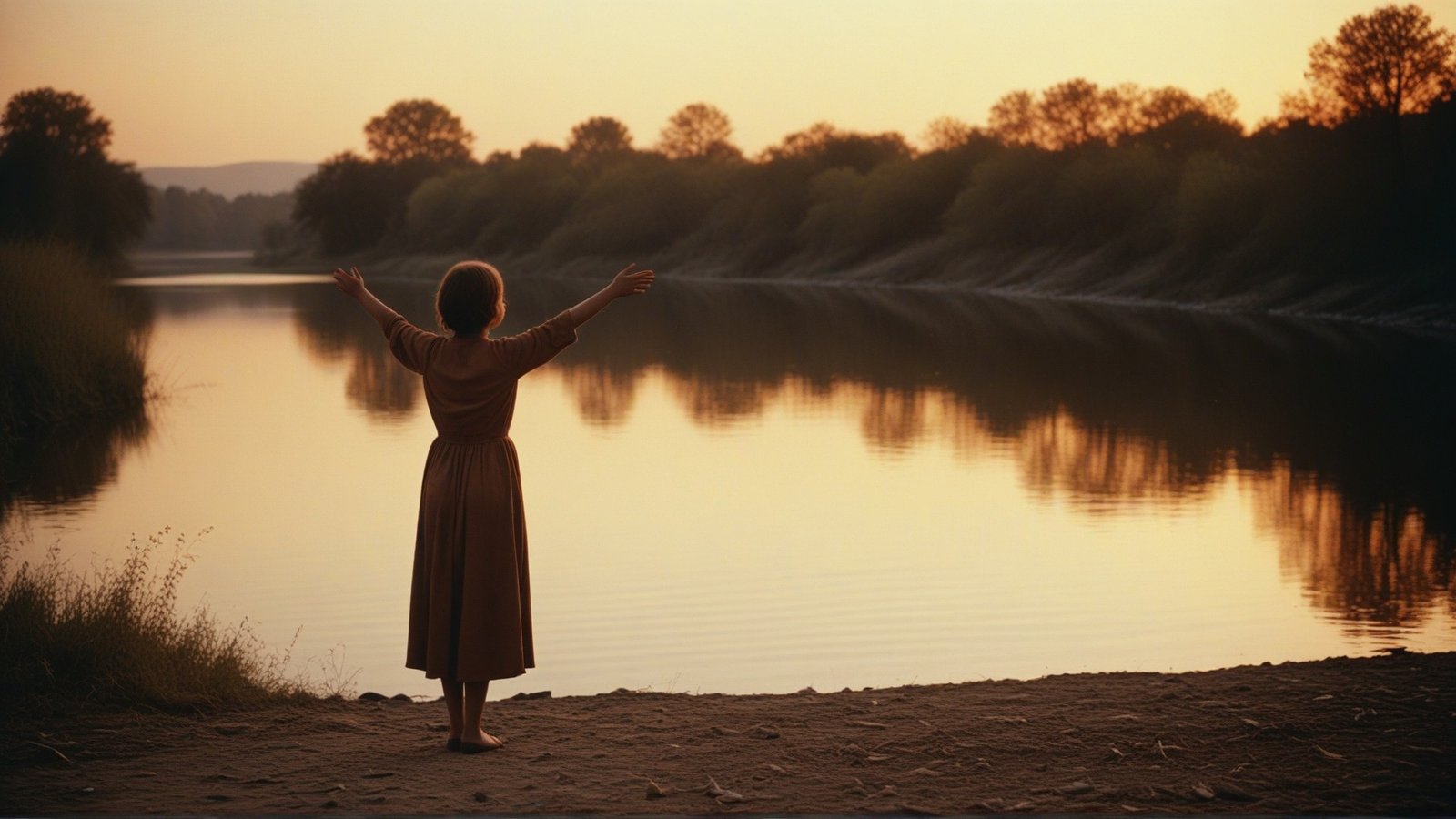
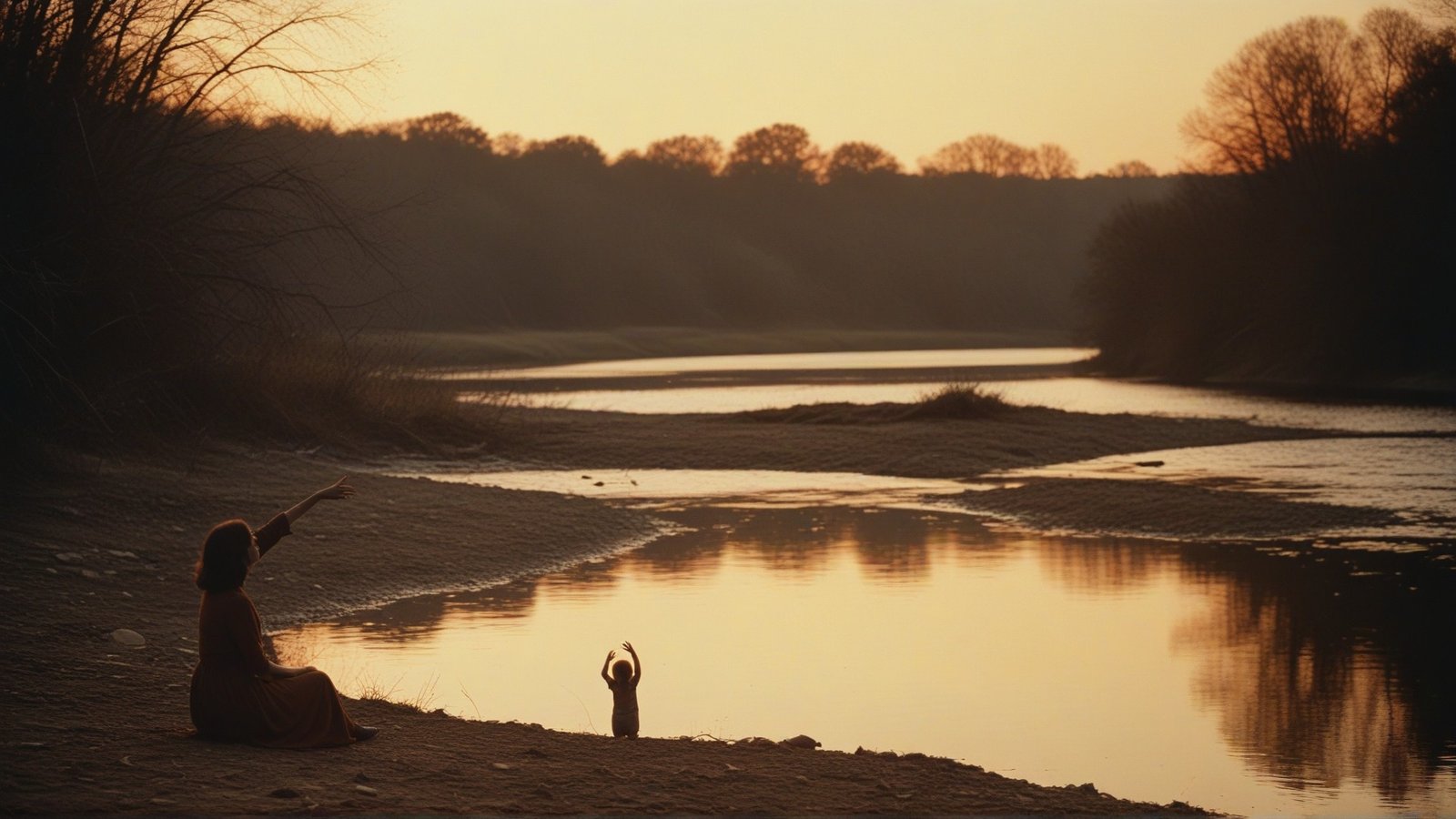
In the heart of Mexico, sometime in the late 1970s, a woman named Soledad lived by the banks of the Rio Grande. Her days were filled with the laughter of her two young children, Ana and Juanito, but darkness lurked within her mind, unseen even to her loving husband, Carlos. One fateful day, as Carlos worked in the fields, madness seized Soledad. With a chilling resolve, she led her unsuspecting children to the river’s edge. As the water lapped at their feet, she did the unthinkable, pushing them into the current one by one. Their tiny hands reached out, pleading, but it was too late. The river swallowed them whole. Overwhelmed with guilt and despair, Soledad attempted to end her life, but fate intervened. As she stepped into the water, a sudden cramp seized her leg, pulling her back onto the shore. Her heart pounded as she realized she was not meant to die that day, but to suffer eternally. That night, her wails echoed through the village, a chilling reminder of her eternal sorrow. She became **La Llorona**, the Weeping Woman, cursed to wander the earth, her grief echoing through the night. Villagers claimed they saw her spectral figure near the river, her eyes filled with an anguish that transcended death itself. And so, La Llorona’s legend spread, a grim reminder of the consequences of one’s actions and the power of a mother’s love, even in its darkest form. Her story, like the river that claimed her children, flowed through generations, forever etched in the annals of Mesoamerican folklore.

Origin

Here’s what we know about La Llorona, a chilling ghost story that originated in pre-Columbian Mesoamerica. Its earliest mention is unknown, but it has been passed down through generations for centuries. The legend centers around a woman who, driven by grief or madness, drowns her children in a river and then attempts to take her own life, only to fail. Cursed to wander and weep eternally, she haunts waterways, causing misfortune with her wails. La Llorona reached its peak popularity between the 16th and 19th centuries. Its core concept – a woman’s eternal grief and the consequences of her actions – resonated deeply with various cultures, leading to its spread throughout Latin America and the United States. From a folklore perspective, La Llorona is fascinating. It reflects cultural anxieties about motherhood, grief, and regret. The story demonstrates how folklore evolves, incorporating elements from different cultures over time, including Aztec mythology, Spanish colonialism, and Christian themes. Despite lacking concrete evidence for its origin, the legend feels authentic due to its consistent narrative structure and universal appeal. Notably, La Llorona’s tale remains consistent across generations and regions, with minor variations. Her wails, echoing through the night, serve as a chilling reminder of her eternal sorrow, captivating audiences even today.

Media Presence of La Llorona

Faq about La Llorona

Title: N/A

Author: N/A

Year: N/A

Movie: The Devil’s Backbone Year: 2001

Name: Supernatural

Episode: Skin

Year: 2006

No, La Llorona is not a real person but a legendary figure from Mesoamerican folklore.

La Llorona’s legend originated in pre-Columbian Mesoamerica, influenced by Aztec mythology and Spanish colonialism.

The wailing sound associated with La Llorona is a cultural addition, not part of the original legend.

No, there are no verified incidents of La Llorona. All reported sightings and encounters are anecdotal.

La Llorona gained significant popularity in the United States during the mid-19th century, as immigration from Mexico increased.