Kashima Reiko
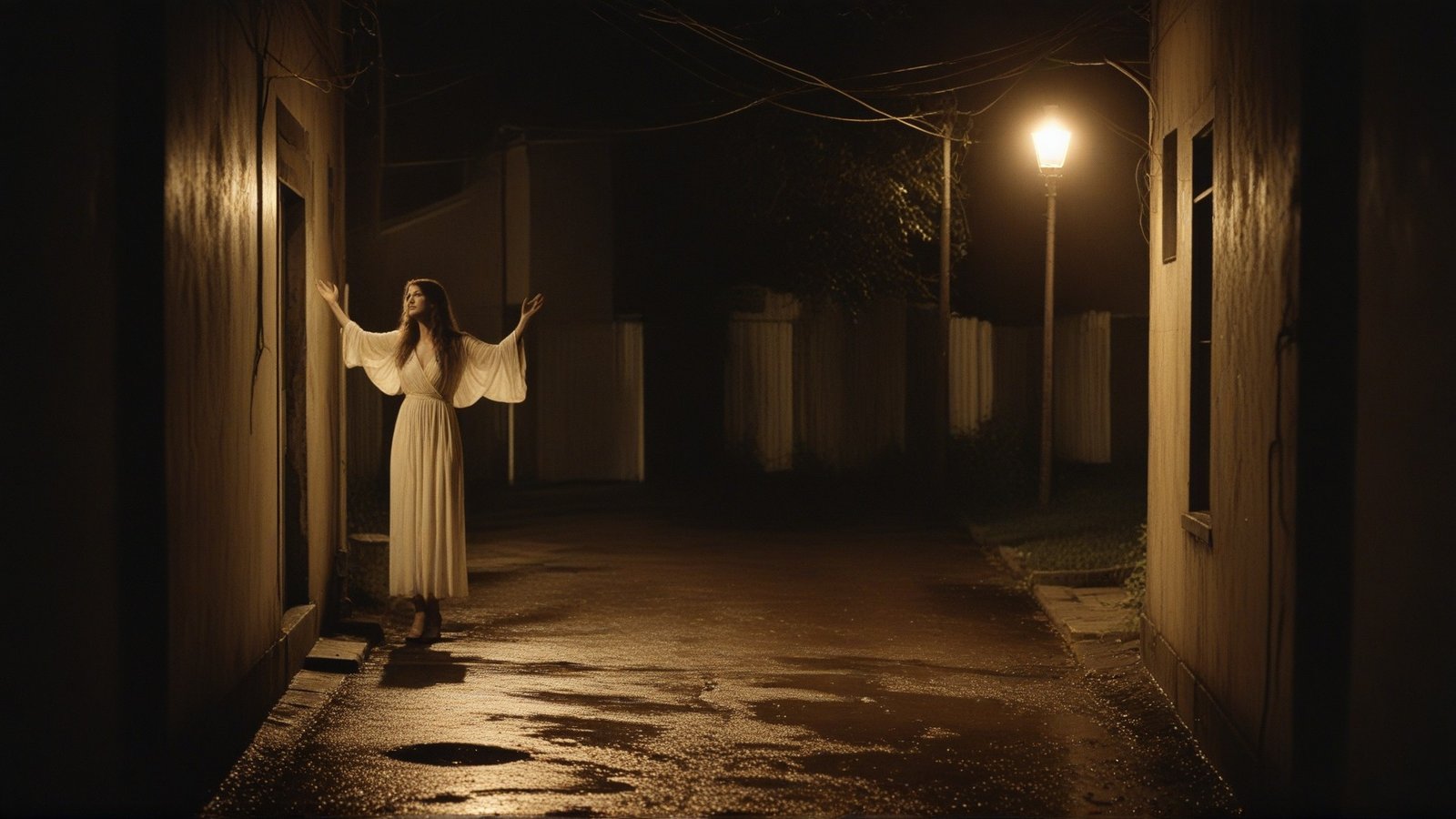
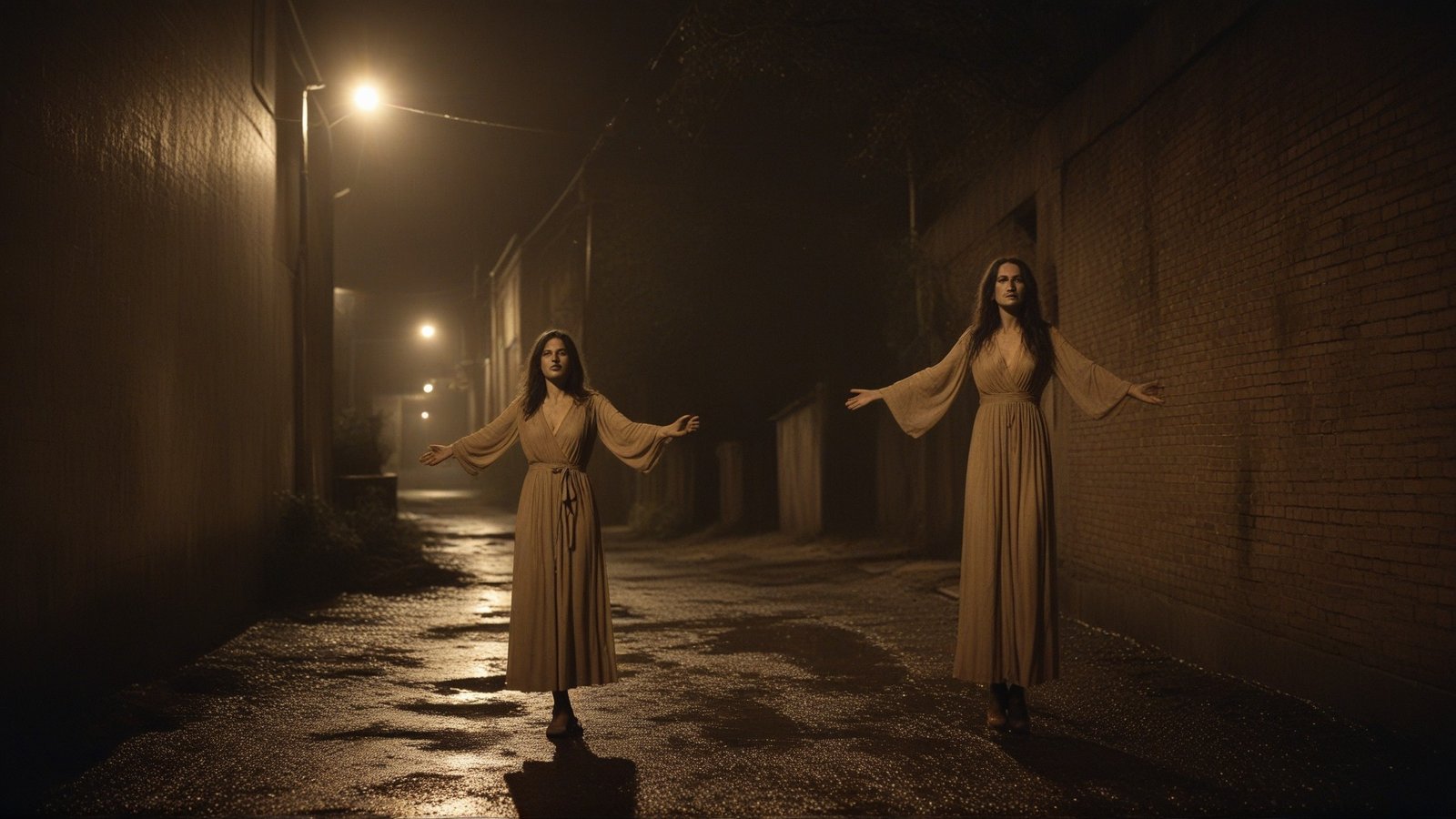
Her spectral wails echo through the night, a chilling reminder of love lost.
Kashima Reiko – Data
- Urban Legend Name: Kashima Reiko
- Origin Location: Japan
- First Mention Year: Unknown
- Peak Popularity: 1980s-1990s
- Type: Ghost
TheUrban
Where modern folklore meets the unexplained
Researcher of urban legends, contemporary folklore, and the unexplained.
Kashima Reiko - Story
In the heart of Tokyo, sometime in the late 1970s, lived a woman named Reiko Kashima and her young child, Hiroki. Their small apartment overlooked the bustling streets, where neon lights flickered like fireflies against the night.
One evening, as rain pelted the windows, Hiroki’s laughter echoed through the rooms while Reiko prepared dinner. But when she turned to call him for supper, only silence greeted her. Panic surged; Hiroki was gone. She searched frantically, her heart pounding like a drum in her ears. Hours later, the police arrived, their faces grave. No trace of Hiroki.
Reiko’s world crumbled. Days turned into weeks as she scoured the streets, her voice hoarse from calling Hiroki’s name. Her once vibrant eyes now held only despair. One night, under a moonless sky, Reiko collapsed in an alley, her heart giving out.
Yet, even in death, Reiko could not rest. A spectral figure, she rose and continued her search. Her wails pierced the night, echoing through empty streets, a haunting reminder of love lost. She was Kashima Reiko now, the vengeful ghost, forever bound to her desperate quest.
Origin
Here’s what we know about the Kashima Reiko legend: it’s a Japanese ghost story that emerged among youth in the 1980s to 1990s, telling of a woman named Reiko whose child goes missing and who later haunts streets searching for them. The earliest mentions are unknown, but it’s deeply rooted in Japanese culture, reflecting societal anxieties about family separation and loss. The legend peaked in popularity during the ’80s and ’90s, capturing the imagination of youth through various forms of media. Its core concept – a vengeful spirit seeking their lost loved one – resonates across cultures, tapping into universal fears. From a folklore perspective, it’s intriguing how Reiko’s spectral wails serve as a chilling reminder of love lost, echoing cultural anxieties about the inability to protect those closest to us. Consistently, the legend follows a three-part beat: child goes missing, parent dies searching, spirit wanders seeking their lost loved one. This pattern, along with Reiko’s haunting cries, makes it particularly memorable and spreadable. Regionally, it’s deeply tied to Japanese culture, but its core narrative speaks to broader human experiences. Despite no primary sources confirming the legend’s origin, its cultural impact is undeniable. While we can’t prove its truth, the Kashima Reiko tale continues to captivate audiences, offering insight into our collective fears and desires.
Media Presence of Kashima Reiko
Faq about Kashima Reiko
Is the Kashima Reiko legend real?
No, the Kashima Reiko legend is a work of fiction and not based on any true events.
Where did the Kashima Reiko legend originate?
The origin of the Kashima Reiko legend is unknown. It gained popularity among Japanese youth in the 1980s-1990s.
Has the Kashima Reiko legend been adapted into any media?
Yes, the Kashima Reiko legend has been adapted into various forms of media such as manga (e.g., ‘Reiko’ by Junji Ito), anime (e.g., ‘Ghost Stories’), and video games (e.g., ‘Fatal Frame’).
Are there any known incidents or victims related to the Kashima Reiko legend?
No, there are no known incidents or victims related to the Kashima Reiko legend. It is purely a work of fiction.
What is the cultural significance of the Kashima Reiko legend?
The Kashima Reiko legend reflects cultural anxieties about family separation, loss, and the inability to protect loved ones.