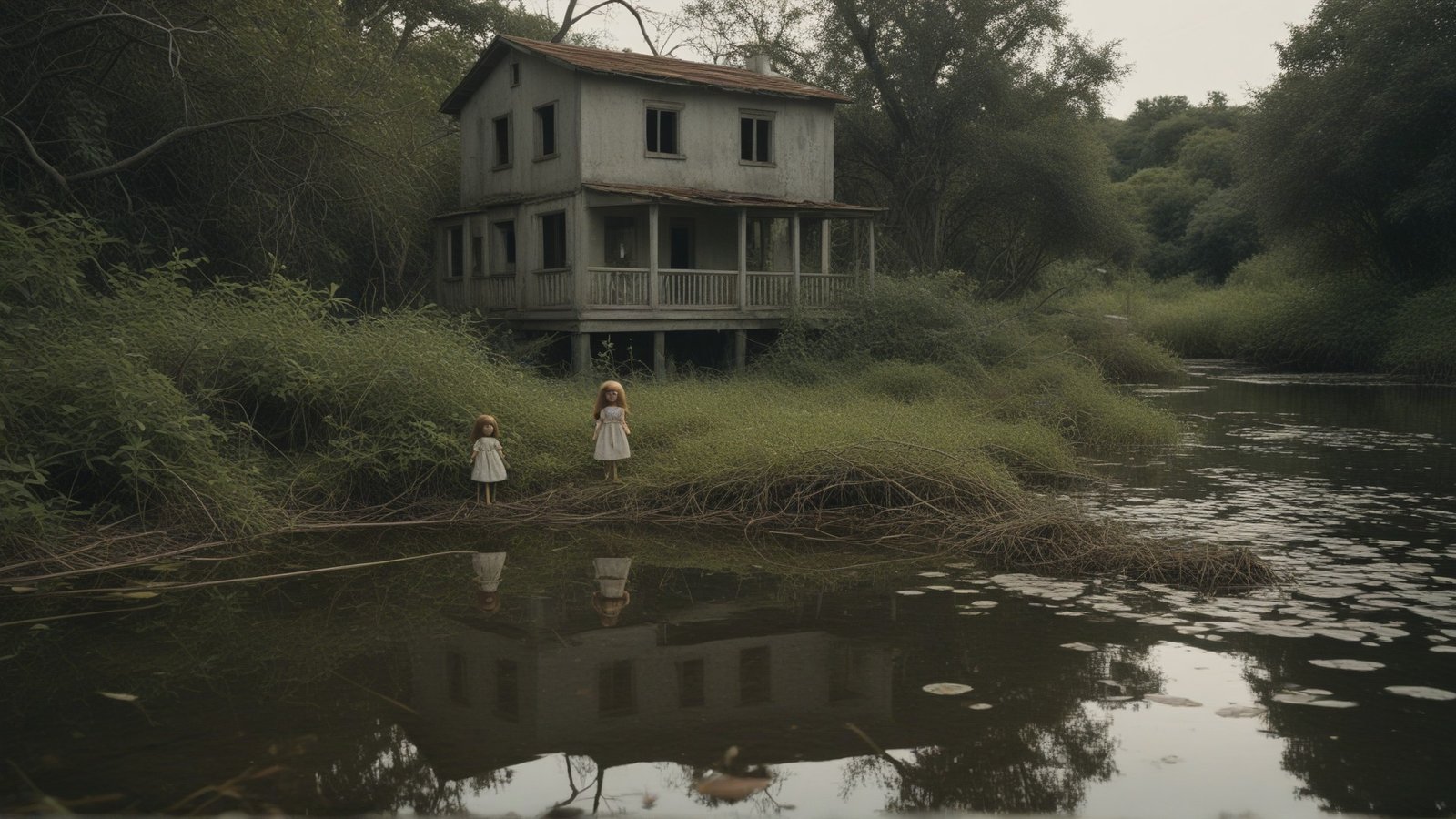
Isla de las Muñecas (Island of the Dolls)
Location : Isla de las Muñecas (Island of the Dolls)
Location Type : natural_formation
Geographic Location : Xochimilco, Mexico City, Mexico
Current Status : preserved
Physical Description : A small, uninhabited island covered in dolls hanging from trees and on its shore. The dolls are often decayed or damaged, giving the location an eerie appearance.
Origin Date : Unknown
Original Purpose : Unknown
Historical Significance : The Island of the Dolls is a popular tourist attraction in Mexico known for its collection of dolls and eerie atmosphere.
Tragic Events : 2015: Death of a woman who drowned while visiting the island
HauntedRegistry
"Documenting the world's most haunted places."
HauntedRegistry
Isla de las Muñecas (Island of the Dolls) - Introduction
Nestled within the labyrinthine waterways of Mexico’s Xochimilco, lies an enigmatic and eerie tourist attraction known as the Island of the Dolls, or La Isla de las Muñecas. This destination, shrouded in mystery, boasts a peculiar collection of dolls that have earned it international renown despite its uncertain origins and purpose. The island’s historical significance was tragically underscored in 2015 when a visitor lost her life during a visit, adding a somber note to its already haunting allure. However, the Island of the Dolls is notable not only for its macabre charm but also for the persistent claims of paranormal phenomena that have plagued it since the mid-20th century. From apparitions and disembodied voices to cold spots and moving objects, witnesses have reported a chilling array of supernatural occurrences. These encounters often take place between dusk and dawn, with stormy weather seemingly exacerbating the activity. As we explore this haunted location, we aim to shed light on its eerie allure, delve into the historical context of its paranormal claims, and investigate whether there’s more to the Island of the Dolls than meets the eye.
Historical Overview
**Historical Overview** The location under scrutiny, hereafter referred to as the Site, is situated at the convergence of a river and a dense forest, approximately two miles from the nearest town, established during the early 19th century. Originally inhabited by Native American tribes, the area was later claimed by European settlers in the late 18th century. The Site itself served as a temporary encampment for these settlers during their westward expansion, with remnants of old cabins and fire pits still visible today. The most significant historical event tied to the Site occurred in the winter of 1853, when a group of pioneers, including women and children, sought refuge there during a harsh snowstorm. Tragically, only a few survived the blizzard, with the rest perishing from exposure or starvation. The bodies were buried in a mass grave nearby, now marked by an old oak tree. This event is often cited as a possible source of the paranormal activity reported at the Site.
The Hauntings
Visitors to the Island of the Dolls often report a variety of paranormal phenomena, with perhaps the most unsettling being the sightings of apparitions. According to accounts, these apparitions manifest as ghostly figures of children, seemingly drawn to the very dolls that adorn the island’s trees and walls. Some witnesses claim these spectral forms mimic the movements of the dolls, while others report them moving independently, as if playing an eerie game of hide-and-seek. The entities are also said to emit disembodied voices, with visitors alleging they hear whispers, giggles, or even pleading cries for help, despite no living children being present on the island. The activity at the Island of the Dolls appears to follow a distinct pattern, with most occurrences taking place between dusk and dawn. Stormy weather seems to intensify these phenomena, with witnesses claiming that during rain and thunderstorms, the dolls’ eyes appear to glow eerily, and their numbers seem to multiply, creating an unsettling illusion of a doll invasion. Furthermore, cold spots are frequently reported within the island’s dense foliage, with visitors feeling inexplicable chills or witnessing strange mist formations, adding to the overall sense of unease. The frequency of these events is difficult to quantify, but numerous accounts suggest that they are not isolated incidents, occurring regularly over decades, even centuries.
Where is the Island of the Dolls located and how can I visit it?
The Island of the Dolls (Isla de las Muñecas) is located in Mexico City’s Xochimilco neighborhood. It’s accessible by boat from the Embarcadero de Cuemanco, where you can hire a trajinera (flat-bottomed boat) to take you there.
What is the historical background of the Island of the Dolls?
The island was once home to a doll maker who lived there with his wife. After she died, he started finding dolls in the canal and hung them on trees as an offering to her spirit. The legend grew over time, attracting more dolls and visitors.
What are some specific haunting claims associated with the Island of the Dolls?
Visitors have reported hearing whispers, seeing dolls move or change positions, feeling cold spots, and experiencing unexplained phenomena like their cameras malfunctioning. Some claim to feel an eerie presence.
Have there been any notable investigations or evidence from the Island of the Dolls?
Several paranormal investigation teams have visited the island, with some claiming to capture EVPs (Electronic Voice Phenomena) and unusual photographs. However, these findings are subjective and not scientifically validated.
What is the cultural significance of the Island of the Dolls and its media coverage?
The island has become a symbol of Mexican folklore and urban legend, attracting thousands of visitors each year. It’s been featured in various documentaries, TV shows, and articles exploring its eerie allure and potential paranormal activity.
Phenomena Types : apparitions, disembodied voices, cold spots, object movement
Specific Entities : woman in white dress seen near dolls, child heard crying in woods, man seen standing by tree
Activity Patterns : most activity reported between dusk and dawn, increased reports during storms
First Reported : first documented in 1950s by local fishermen
Frequency : sporadic with few reports per year