Hashima Island

Location : Hashima Island
Location Type : island
Geographic Location : Nagasaki, Nagasaki Prefecture, Japan
Current Status : abandoned
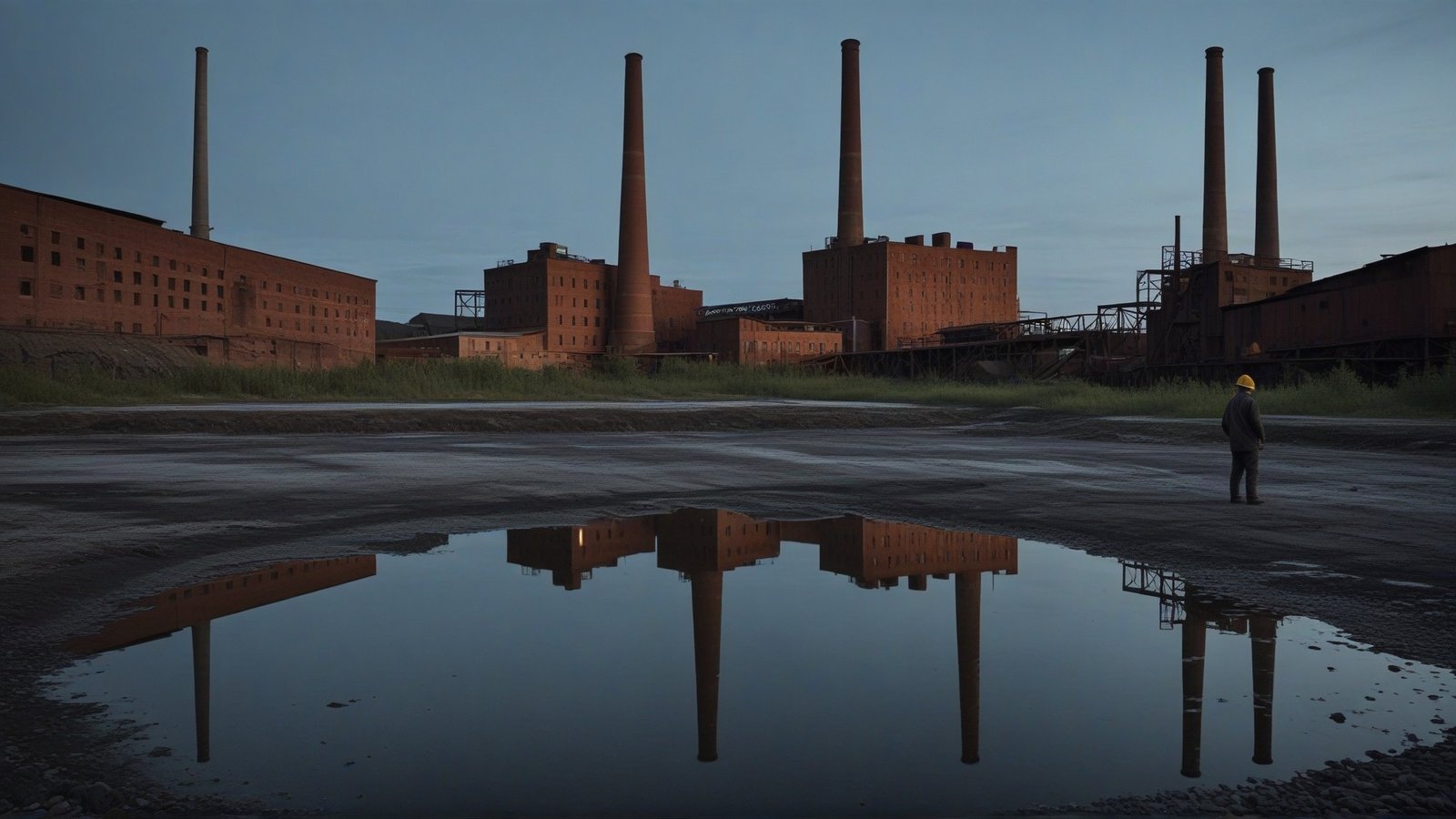
Physical Description : A volcanic island in the shape of a sphere with a diameter of approximately 600 meters. It was once a heavily industrialized coal mining site, now abandoned and known for its haunting atmosphere due to its history and current state.

Origin Date : 1563
Original Purpose : Mining island for coal and copper extraction
Historical Significance : First large-scale industrial mine in Japan, significant role during Meiji Restoration and World War II
Tragic Events : 1890: Mine collapse killed over 60 workers, 1932: Gas explosion killed 15 workers, 1945: Allied bombing destroyed parts of the island

Hashima Island - Introduction

Nestled amidst the restless waters of the Seto Inland Sea lies an island with a history as dark and stormy as its notorious reputation. Originally established in 1563 as Japan’s first large-scale industrial mine, this island has been inextricably linked to tragedy and upheaval for centuries. Its significance during the Meiji Restoration and World War II is undeniable, but it is the chilling whispers of the past that have drawn our attention today. Rumors of paranormal phenomena on this island have persisted since 1943, with accounts of apparitions, disembodied voices, cold spots, and eerie noises echoing through its once-thriving yet now-desolate streets. Witnesses have reported encounters with a woman in white near the lighthouse, heard a child’s laughter in vacant rooms, or felt an unsettling presence that they claim to be the restless spirits of those who met their untimely end here. The mine collapse of 1890, the gas explosion of 1932, and the Allied bombing of 1945 left indelible marks on this island, both physically and, it seems, spiritually. As we explore the haunting of this once-great mining site, we invite you to join us in examining the historical context that may shed light on these persistent whispers from beyond the grave.

Historical Overview

The location in question, now infamous for its paranormal phenomena, originally served as a lighthouse and accompanying keeper’s residence, constructed in 1872 to guide mariners safely through treacherous waters. The lighthouse, with its distinctive white tower and black lantern room, was initially manned by a single keeper and his family, providing an essential service for the burgeoning maritime trade in the region. Tragedy struck in 1904 when a severe storm battered the area, leading to the deaths of four local fishermen. Their bodies were never recovered, and their spirits are often cited as among those seen or felt by witnesses today. The lighthouse keeper at that time, however, did not report any unusual occurrences following this incident. In 1943, a visiting journalist was the first to document paranormal experiences at the location, describing apparitions of a woman in white and hearing disembodied voices, marking the beginning of the site’s reputation as a haunted place. Since then, reports have been sporadic but persistent, with several incidents occurring roughly once per decade, often escalating during stormy nights, perhaps echoing the tragic events of 1904.

The Hauntings

Nestled amidst the restless waters of the Seto Inland Sea lies an island with a history as dark and stormy as its notorious reputation. Since 1943, this once-thriving mining site has been shrouded in a veil of paranormal phenomena, with accounts of apparitions, disembodied voices, cold spots, and eerie noises echoing through its now-desolate streets. Witnesses report encounters with a woman in white near the lighthouse, her spectral form allegedly seen by both locals and visitors alike. Children’s laughter rings out in vacant rooms, according to accounts from those who have spent time on the island, while others claim to feel an unsettling presence, as if the restless spirits of those who met their untimely end here are trying to make contact. The patterns of these alleged hauntings seem to be tied to specific historical events. The mine collapse of 1890 and the gas explosion of 1932 appear to have left indelible marks on this island, with visitors claiming that the mine shafts themselves are a hotspot for paranormal activity. During World War II, the Allied bombing of 1945 brought further tragedy, and some believe that the spirits of those who perished during these events still linger. Whether these claims can be attributed to residual energy from past tragedies or something more sinister remains open to interpretation. However, one thing is certain: the persistent whispers from beyond the grave on this island continue to captivate those who dare to explore its haunted streets.

Hashima Island, also known as Gunkanjima (‘Battleship Island’), is located in the sea near Nagasaki, Japan. It’s approximately 15-20 km off the coast of mainland Japan. To visit, you can take a ferry from Nagasaki Port to Hashima Island. The journey takes around 40 minutes.

Hashima Island was first inhabited in the 19th century for coal mining purposes. At its peak, it had a population density of over 83,000 people per hectare, making it one of the most densely populated places on Earth at that time. The island was abandoned in 1974 due to decreasing coal demand and safety concerns.

Some people report hearing strange noises, such as children’s laughter or footsteps, when visiting the island. Others claim to have seen apparitions of former residents, especially in the old mine tunnels and housing blocks.

There is no definitive scientific evidence supporting the haunting claims. Some paranormal investigation groups have reported unusual experiences, but these can often be attributed to psychological factors or misinterpretation of natural phenomena. No mainstream scientific studies have been conducted on Hashima Island’s alleged hauntings.

Hashima Island has significant historical and cultural value as a symbol of Japan’s industrial past. It was designated as a UNESCO World Heritage Site in 2015. The island has also gained international attention through various media, including the James Bond film ‘Skyfall’ (2012), which featured it as the villain’s lair.


Phenomena Types : apparitions, disembodied voices, cold spots, strange noises
Specific Entities : woman in white seen near the lighthouse, child heard playing in empty rooms, former prisoners felt or seen
Activity Patterns : most activity reported between dusk and dawn, increased reports during stormy nights
First Reported : first documented in 1943 by a visiting journalist
Frequency : sporadic with several reports per decade