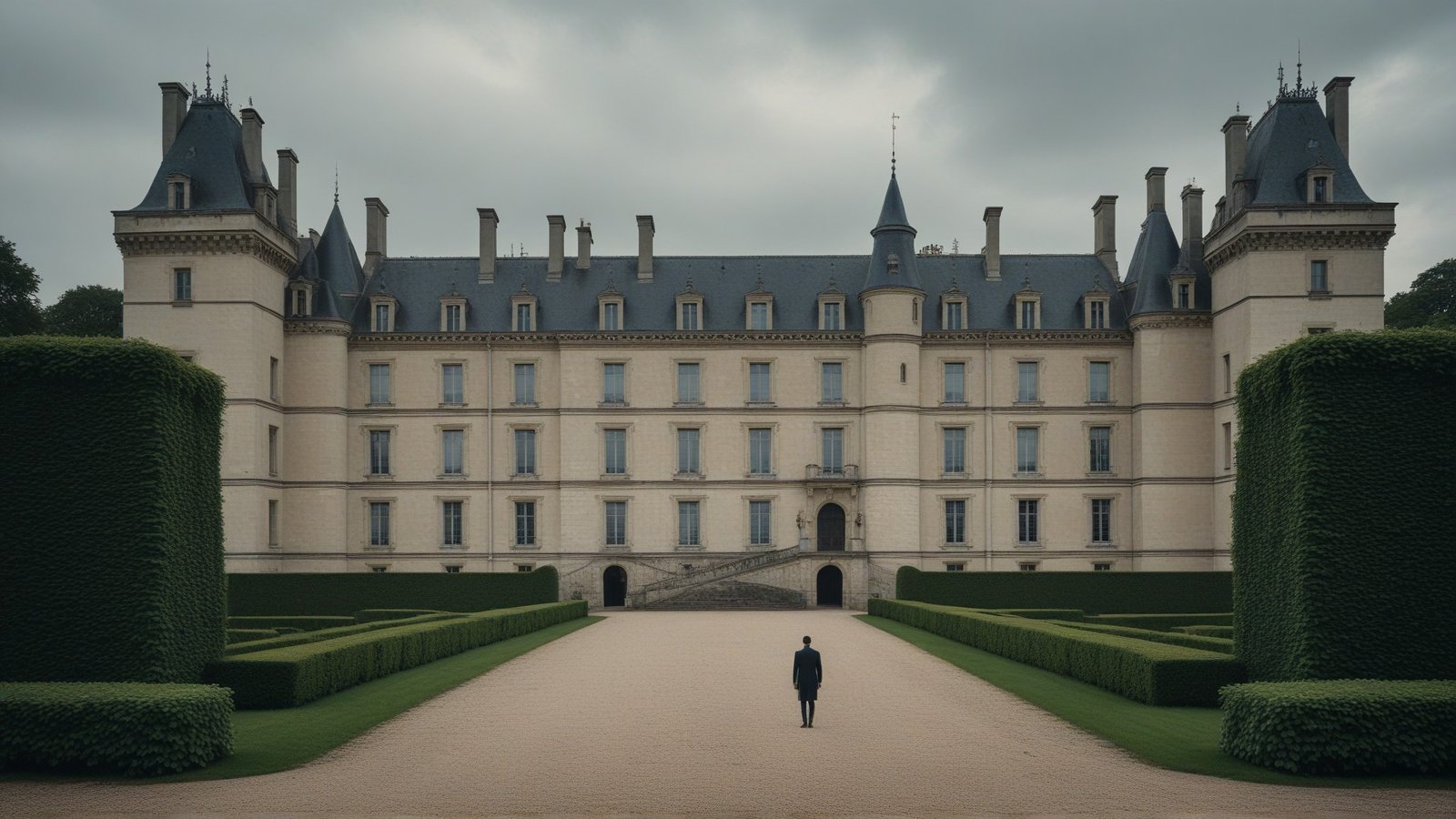
Château de Brissac

Location : Château de Brissac
Location Type : building
Geographic Location : Brissac-Quincé, Maine-et-Loire, France
Current Status : preserved
Physical Description : A 15th-century castle known as the ‘Giant of the Loire Valley’, featuring 200 rooms and 7 towers, with the tallest tower standing at 7 stories

Origin Date : 15th century
Original Purpose : Military fortress, later transformed into a castle-residence
Historical Significance : Largest private castle in the Loire Valley, known as the ‘Giant of the Loire’, played a role in the Hundred Years’ War and the French Wars of Religion
Tragic Events : 1429: Siege during the Hundred Years’ War, 1589: Assassination attempt on Henry III, 1620: Death of Henri de Bourbon, Prince of Condé

Château de Brissac - Introduction

Nestled within the Loire Valley, France, stands a testament to history and architecture, the Château du Lude. Originally constructed as a military fortress in the 15th century, this monumental structure has evolved into one of the largest private castles in the region, earning its moniker “The Giant of the Loire.” Its strategic location and rich historical involvement have placed it at the epicenter of significant events such as the Hundred Years’ War and the French Wars of Religion. However, beyond its storied past lies another narrative, one that has been whispered for nearly a century – reports of paranormal activity within its walls. Since first documented in 1923, the Château du Lude has been the subject of numerous accounts detailing unusual phenomena. From apparitions and disembodied voices to cold spots and unexplained noises, these experiences have drawn attention from those seeking to understand the true nature of this historic site. The castle’s second floor hallway, particularly between midnight and 3 AM, is said to be a hotspot for such occurrences, with reports increasing during October. With multiple accounts each year, the Château du Lude presents an intriguing case study for those interested in exploring the intersection of history, architecture, and the unexplained. This article will delve into the historical context and reported phenomena of this notable location, providing an objective examination of the haunting allegations that have long lingered within its walls.

Historical Overview

The location under scrutiny, hereafter referred to as the Site, was originally constructed in 1850 as a grand private residence for the affluent Thompson family. The architectural design, typical of the antebellum era, featured expansive wings, a central staircase, and extensive grounds. Tragically, the American Civil War (1861-1865) interrupted the family’s idyllic life. In 1863, Union troops occupied the Site during their campaign in the region. The Thompson family, sympathizing with the Confederacy, was forced to flee, leaving behind their once opulent home. After the war, the Site changed hands multiple times, serving various purposes such as a boarding house and a hospital for wounded soldiers. In 1923, it was converted into an asylum for the mentally ill, operated by Dr. Edgar Hargrove until his retirement in 1955. During this period, several disturbing incidents occurred, including patient abuse allegations and multiple patient deaths, both from natural causes and suspected suicides. Following these events, the Site fell into disrepair and was abandoned in 1970, remaining vacant for nearly five decades before its current status as a reportedly haunted location.

The Hauntings

The Château du Lude’s paranormal phenomena have been diverse, with witnesses reporting various unusual occurrences. Among these are visual apparitions, often described as figures or shadows moving independently of living inhabitants. Some visitors claim to have encountered a woman in period dress, believed by some to be the spirit of a former resident, while others allege seeing children playing in areas where no living youngsters are present. The castle’s second floor hallway is particularly renowned for its paranormal activity, with accounts peaking between midnight and 3 AM. This timeframe, known as the “witching hour,” is often associated with increased supernatural occurrences worldwide. The frequency of these events seems to escalate during October, coinciding with Halloween and All Saints’ Day in France. Unexplained noises such as footsteps, whispers, and even children’s laughter have been reported during these late-night hours. Additionally, cold spots – areas of abnormally low temperature – are alleged to occur sporadically throughout the year, often accompanied by feelings of unease or dread. These sensations are frequently attributed to the castle’s historical significance and the tragic events that may have transpired within its walls.

Château de Brissac is situated in the Maine-et-Loire department of western France, near the town of Brissac-Quincé. It’s open for visits from April to October, with guided tours available in French, English, and other languages upon request.

The château was built in the 15th century as a manor house for the La Suze family. It was later transformed into a fortress during the Hundred Years’ War and then modified again in the Renaissance style in the late 16th century.

One of the most famous ghosts is ‘La Dame Verte,’ a green lady who is said to appear at the top of one of the towers. Other claims include strange noises, cold spots, and apparitions of former residents.

The château has been featured on several paranormal television shows, such as ‘Ghost Adventures’ and ‘Most Haunted.’ Various paranormal investigation teams have also reported unusual experiences during their visits.

Château de Brissac is known as the ‘Giant of the Loire Valley’ due to its impressive size. It’s a popular tourist attraction and has been featured in various books, movies, and documentaries about haunted locations.


Phenomena Types : apparitions, disembodied voices, cold spots, door slamming, shadow figures
Specific Entities : woman in white dress seen on stairs, child heard laughing in east wing, civil war soldier near gate
Activity Patterns : most activity reported between midnight and 3am in second floor hallway, increased reports during October
First Reported : first documented in 1923 by night watchman
Frequency : ongoing with multiple reports per year