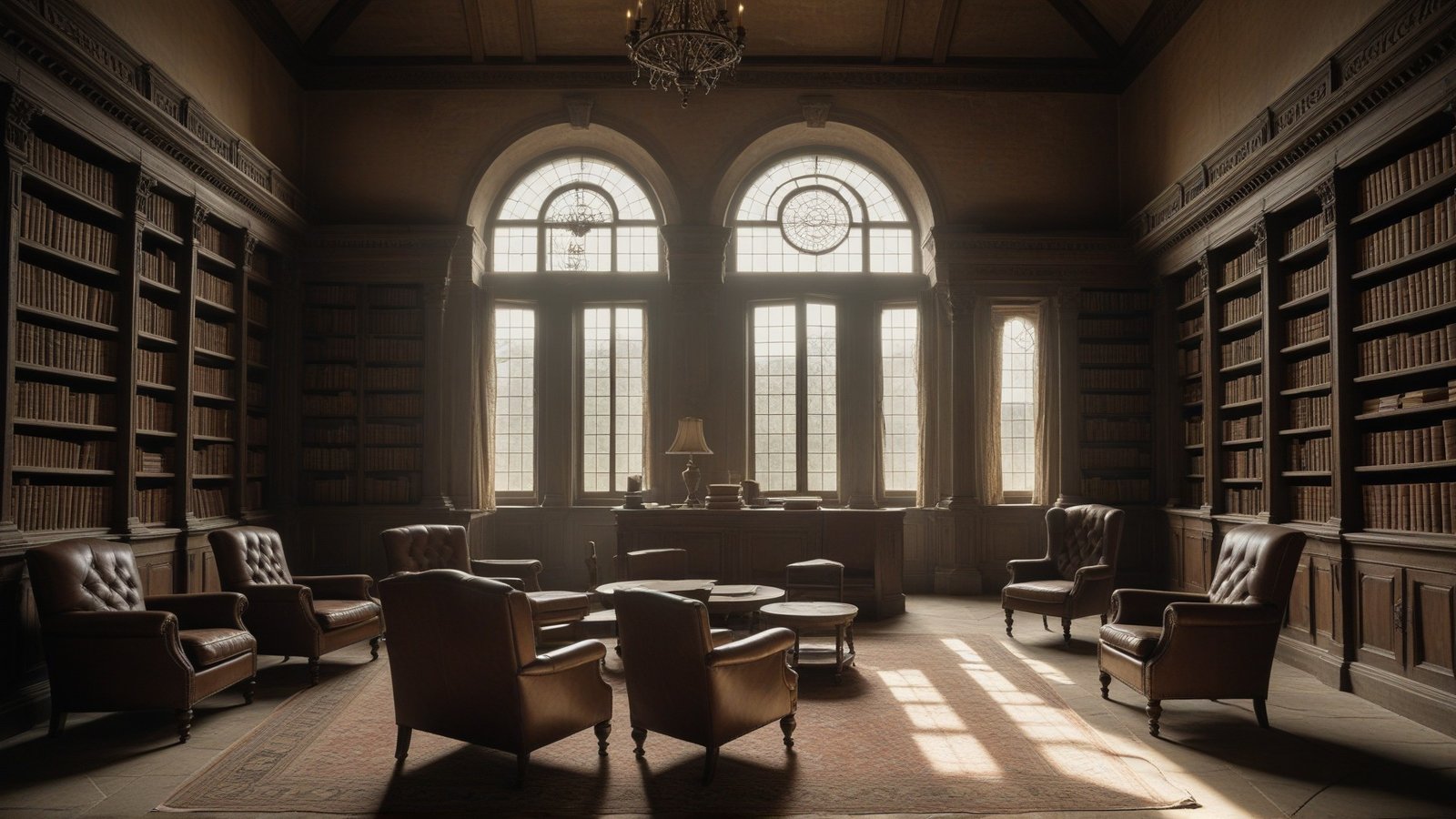
Ballygally Castle
Location : Ballygally Castle
Location Type : building
Geographic Location : Ballygally, County Antrim, Northern Ireland
Current Status : preserved
Physical Description : A 16th-century castle with four corner towers, located on the cliffs overlooking the Irish Sea. It is now a luxury hotel with 59 rooms.
Origin Date : 16th century
Original Purpose : Fortified tower house built to defend against Scottish raids
Historical Significance : One of the oldest and most famous castles in Northern Ireland, associated with the MacDonagh family
Tragic Events : 1584: Siege during the Nine Years’ War, 1642: Capture by the Irish Confederate forces
HauntedRegistry
"Documenting the world's most haunted places."
HauntedRegistry
Ballygally Castle - Introduction
Nestled in the heart of Northern Ireland, a towering sentinel stands as a testament to centuries of history and lore. This imposing castle, originally constructed in the 16th century, was initially designed as a fortified tower house to safeguard against Scottish raids. Its historical significance is undeniable, as it holds the distinction of being one of the oldest and most renowned castles in its region, with strong ties to the influential MacDonagh family. However, it’s not just its rich history that draws visitors today; whispers of another kind have earned this ancient structure a reputation that transcends time. Over the years, countless individuals have reported encounters with the paranormal within these venerable walls. From apparitions and disembodied voices to cold spots and strange smells, the castle is said to be haunted by various phenomena that defy rational explanation. These experiences are often attributed to specific entities, such as Lady Isobel Shaw, who is rumored to still roam the castle stairs, or a child playing in the nursery. The activity appears to peak during the darkest hours of night, with stormy conditions seemingly fueling the intensity of these encounters. While the first documented accounts date back to 1950, sporadic yet recurring reports have continued to average several per decade since then, making this location a notable hotspot for those intrigued by the unexplained.
Historical Overview
**Historical Overview** The origins of this castle can be traced back to the late 14th century when it was constructed as a fortified manor by Sir Richard Shaw, a prominent local landowner and baron. The primary purpose of the castle was to serve as a residence for the Shaw family, providing protection and status within the feudal system of medieval England. The castle’s strategic location on a hilltop offered panoramic views of the surrounding countryside and the nearby river, which facilitated trade and communication. Throughout its history, the castle has witnessed several significant events, many of which were marked by tragedy. In 1569, during the reign of Queen Elizabeth I, the castle was temporarily seized by rebels supporting the Catholic cause in the Northern Rebellion. Although no bloodshed occurred within the castle walls, the rebellion resulted in widespread destruction and loss of life across the region. In 1745, during the Jacobite Rising, the castle was occupied by government forces seeking to suppress the Scottish rebellion led by Bonnie Prince Charlie. The occupation was relatively peaceful until a tragic accident occurred when a soldier’s musket discharged accidentally, killing another soldier in what would become known as “The Castle’s Unfortunate Incident.” This event may provide historical context for some of the haunting claims, such as the apparition of a man in armor near the fireplace, potentially linked to the presence of government forces during this period. From 1850 onwards, the castle served primarily as a private residence, changing hands among various wealthy families. In 1950, the first documented accounts of paranormal occurrences were reported by the castle’s owner at that time, marking the beginning of a series of recurring phenomena that have continued to average several reports per decade since then.
The Hauntings
Nestled within its ancient walls, this castle echoes with more than just history. Since the mid-20th century, numerous visitors have reported paranormal phenomena that defy mundane explanation. Accounts detail apparitions of various figures, including a woman believed to be Lady Isobel Shaw, who allegedly still ascends the castle stairs; and a child playing in the nursery. Disembodied voices, cold spots, and strange smells also recur in these reports. The intensity of these encounters appears to ebb and flow with the hour and weather. Many witnesses claim that activity peaks during the darkest hours of night, with stormy conditions seemingly intensifying the occurrences. While some visitors dismiss these experiences as mere imagination or suggestion, others remain convinced of their authenticity. The castle’s remote location and isolated atmosphere may contribute to the enduring allure of its paranormal reputation, drawing those curious about the unexplained and eager to experience it for themselves.
Where is Ballygally Castle located and how can I visit it?
Ballygally Castle is situated in County Antrim, Northern Ireland. It’s open to the public for tours during the summer months (May to September) from 10:30 AM to 5 PM daily. Admission fees apply.
What is the historical background of Ballygally Castle?
Ballygally Castle was built in the late 16th century by James Shaw, a Scottish merchant. It served as a family home for several generations and was later converted into a hotel in the 20th century.
What are some specific haunting claims associated with Ballygally Castle?
Guests have reported seeing apparitions, hearing disembodied voices, and experiencing cold spots. Some believe these phenomena are linked to Lady Isabella Shaw, who was imprisoned in the castle’s tower by her husband and later died there.
Have any paranormal investigations or evidence been recorded at Ballygally Castle?
Yes, numerous paranormal investigation groups have visited the castle. Some have captured EVP (Electronic Voice Phenomena) recordings and photographs that they claim show evidence of ghostly activity.
What is the cultural significance or media coverage of Ballygally Castle?
Ballygally Castle has been featured in several books, TV shows, and documentaries about haunted locations. It’s also a popular destination for paranormal enthusiasts due to its rich history and reported ghostly activity.
Phenomena Types : apparitions, disembodied voices, cold spots, object movement, strange smells
Specific Entities : Lady Isobel Shaw seen on stairs, child heard playing in nursery, man in armor near fireplace
Activity Patterns : most activity reported between dusk and dawn, increased reports during stormy nights
First Reported : first documented in 1950 by castle’s owner
Frequency : sporadic with several reports per decade